What Our Successful Crowdfunder Showed About The Commons
This summer, 125 of you came together to fund LandExplorer, our free and open-source land ownership tool that lets you see who owns the land and buildings around you. Here's what that says about the commons, why they matter, and what comes next.
The tragedy we are taught when it comes to common-pool resources (CPRs) is that personal benefit triumphs over collective interest. Under capitalism this "tragedy of the commons" has become received wisdom, used as proof that we are innately selfish and competitive. That the contemporary and historical landscapes abound with practices devised for the equitable allocation of CPRs, from arable land, pastures and fisheries, to knowledge and community spaces, is something often ignored or seen as an aberration. Yet to those of us working for greater accessibility to resources, spaces or information the fictive nature of this tragedy is abundantly clear.
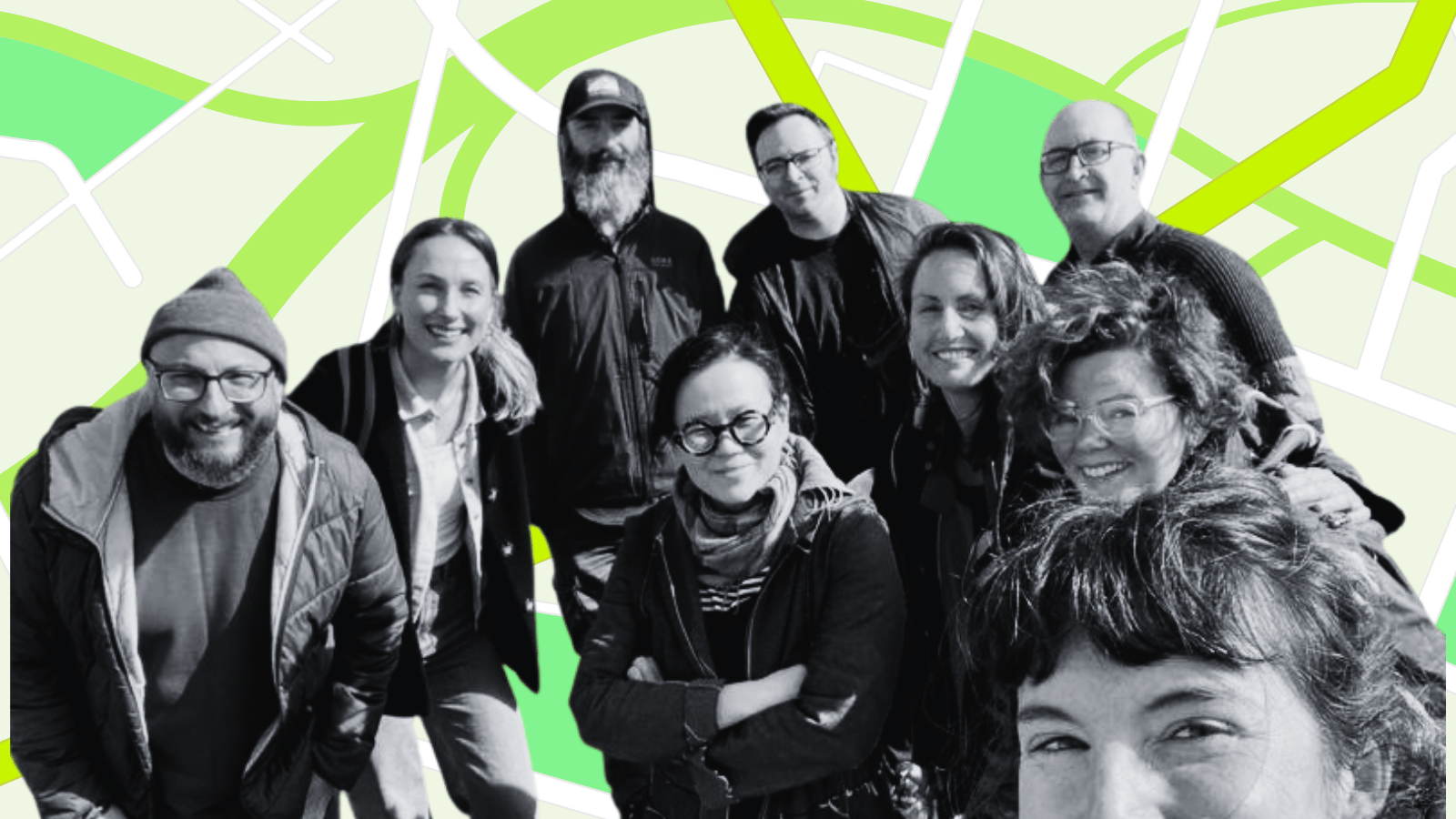
In June 2026 we launched a LandExplorer Crowdfunder and added a Solidarity Tier to the platform. This new solidarity partnership allows organisations with greater resources to help fund free access for grassroots groups, tenants' unions, and community projects through our Community Tier. Within a month, you helped us exceed our goal, with 125 backers raising £9,140 and seven subscribers added to the Solidarity Tier. Over half of you donated without claiming a reward.
But this success is more than numbers. It marks another step in our shared improvement of LandExplorer, a collective response to help ensure land information is available to all. Let's be honest, community tech is not an area flush with finances, or full of philanthropists keen to fill our coffers. Money is tight and every penny counts. From co-ops and community builders to architects and activists, you gave what you could spare, helping to undermine the fallacy that it is in our nature to be selfish and avaricious, helping to dispel that fictitious tragedy. You made a commitment to the commons of knowledge. Knowing who owns a parcel of land or a structure can give the opportunity to influence its utility, help guide it into community hands, and reveal the gap between land held as social housing and land sitting in large property portfolios. Even when we feel powerless, simply having access to this knowledge can be empowering.
In that sense, the Crowdfunder was itself an act of commoning. Commons don't maintain themselves. Like a shared pasture or a community hall, digital commons need tending, and tending costs money. Open-source tools are often treated as though they appear for free, when in fact they rely on someone's time, servers, and upkeep. The usual answer is to sell access, find an investor or wait for a grant. Instead, you pooled your resources to build and maintain shared infrastructure that no one can enclose and everyone can use. Pooling, sharing, and governing together is exactly what the "tragedy" says can't happen. You showed that it can.
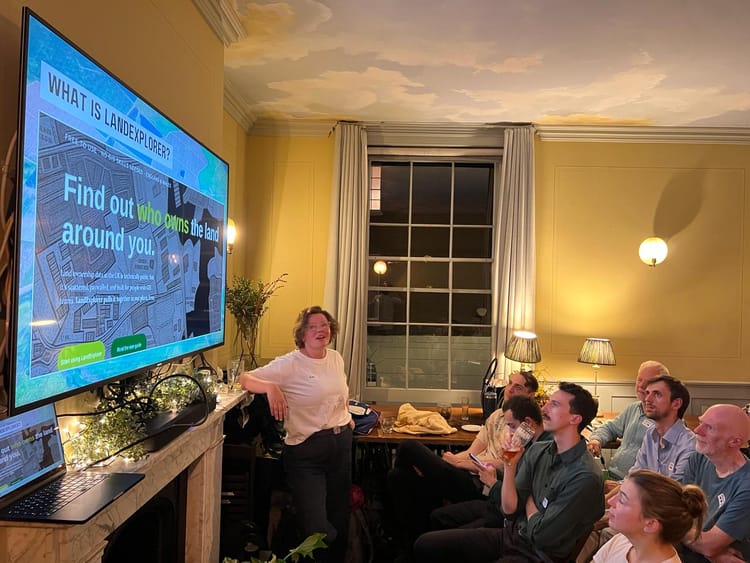
We live in a world saturated by information, but much of what we seek is lost within this morass or hidden behind paywalls; land ownership data is often held by others and charged for piecemeal. LandExplorer seeks to redress this balance. LandExplorer is a resource free to all users, its codebase open source, available for community-driven innovation. That openness makes it commons infrastructure rather than just another product. We specifically chose the route of user-guided development, through workshops, conversations, and feedback, to create an application useful to you. In this vein, all of you who backed the crowdfunder will decide which new features are added first. The Community Tier will remain free as before, with Solidarity partners helping to keep it that way. We are its stewards, but it is your common resource.
Why does this matter? Because who can see information shapes who holds power. When land data sits behind paywalls, only those who can afford it can find out who owns what: developers, investors, large landlords. Tenants, community groups and organisers are left guessing. Treating that knowledge as a commons, and funding it collectively, changes who gets to act on it.
If you haven't yet, explore LandExplorer here. If your organisation can, join the Solidarity Tier and help keep it free for those who need it most.